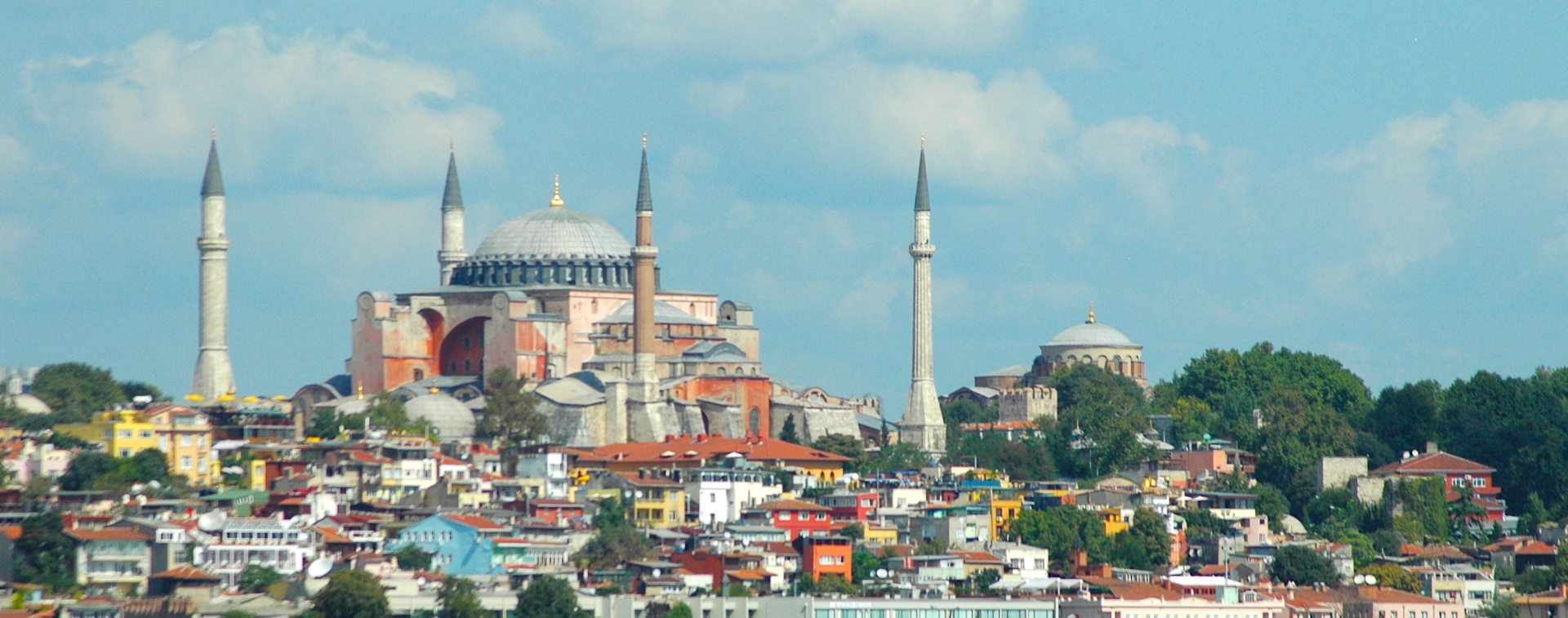

The “Great” or “Ecumenical” Councils, accepted by both East and West, and adopted by a large part of Christendom inasmuch as they defined and defended the fundamental doctrines of the Christian Church, were held either in or near the city of Constantinople.
Main Teaching: formulated the first part of the Symbol of Faith, known as the “Nicaean Creed,” defining the divinity of the Son of God
Main Teaching: formulated the second part of the Symbol of Faith, defining the divinity of the Holy Spirit. The “Nicaean-Constantinopolitan Creed” remains unchanged in the Orthodox Church since the fourth century. It is recited at every baptism and repeated during each Divine Liturgy
Main Teaching: proclaimed Jesus Christ as the Incarnate Word of God and Mary as the Theotokos
Main Teaching: proclaimed Jesus Christ as fully divine and fully human, two natures in one person
Main Teaching: confirmed the doctrines of the Holy Trinity and the person of Jesus Christ
Main Teaching: affirmed the full humanity of Jesus Christ by insisting on the reality of His human will
Main Teaching: completed the doctrinal teaching of the fifth and sixth Ecumenical Councils
Main Teaching: affirmed the use of icons as genuine expressions of the Christian faith in the doctrine of the divine Incarnation


Watch the historic interview with CBS correspondent Bob Simon now »
Learn More »
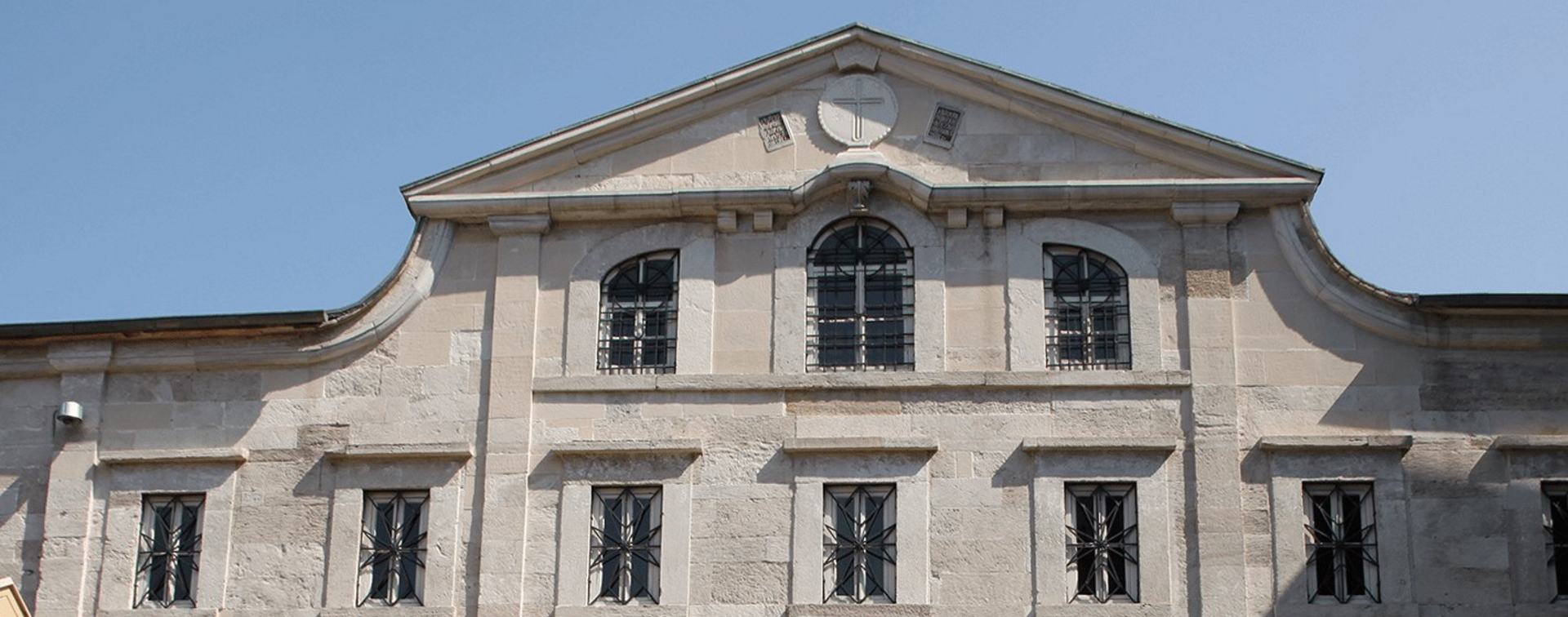
Learn the history of the Theological School of Halki since its establishment in 1844. Learn More »
YouTube: Subscribe to the GreenPatriarch channel (on the Environmental Symposia) or the Ecumenical Patriarchate channel (on the US visit).
Wednesday, May 09, 2012
The Halki Summit – sponsored by the Ecumenical Patriarchate and co-sponsored by Southern New Hampshire University – is a conversation on environment, ethics and innovation among a distinguished group of activists, scientists, journalists, business leaders, theologians, and academics. Read more...
Please enter a search term to begin your search.